

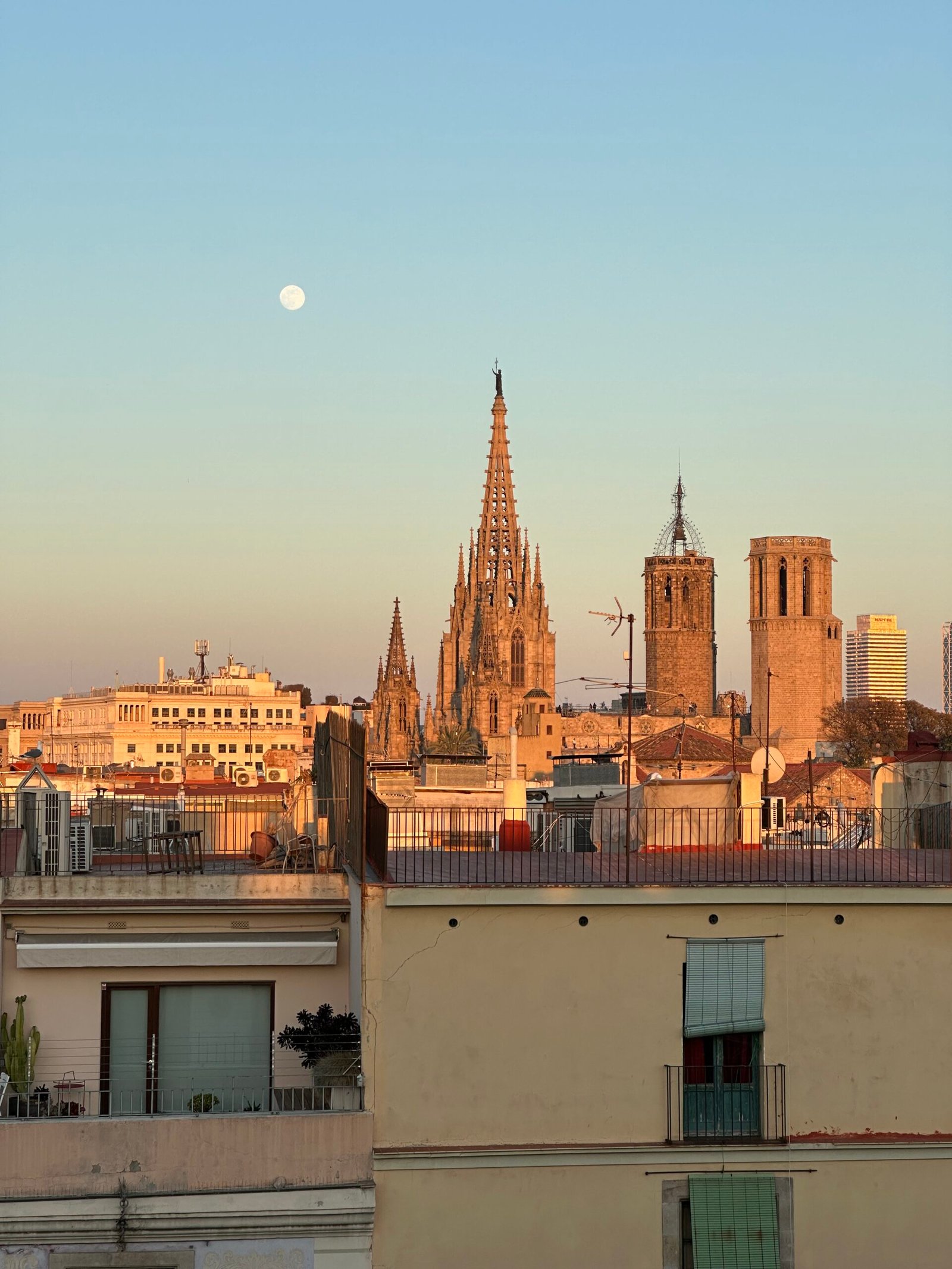
When I look back at our first trip to Spain, the part I appreciate most from a planning standpoint isn’t simply that we fit Barcelona, Valencia and Madrid into one trip. It’s how much trip we managed to build around six of my PTO days.
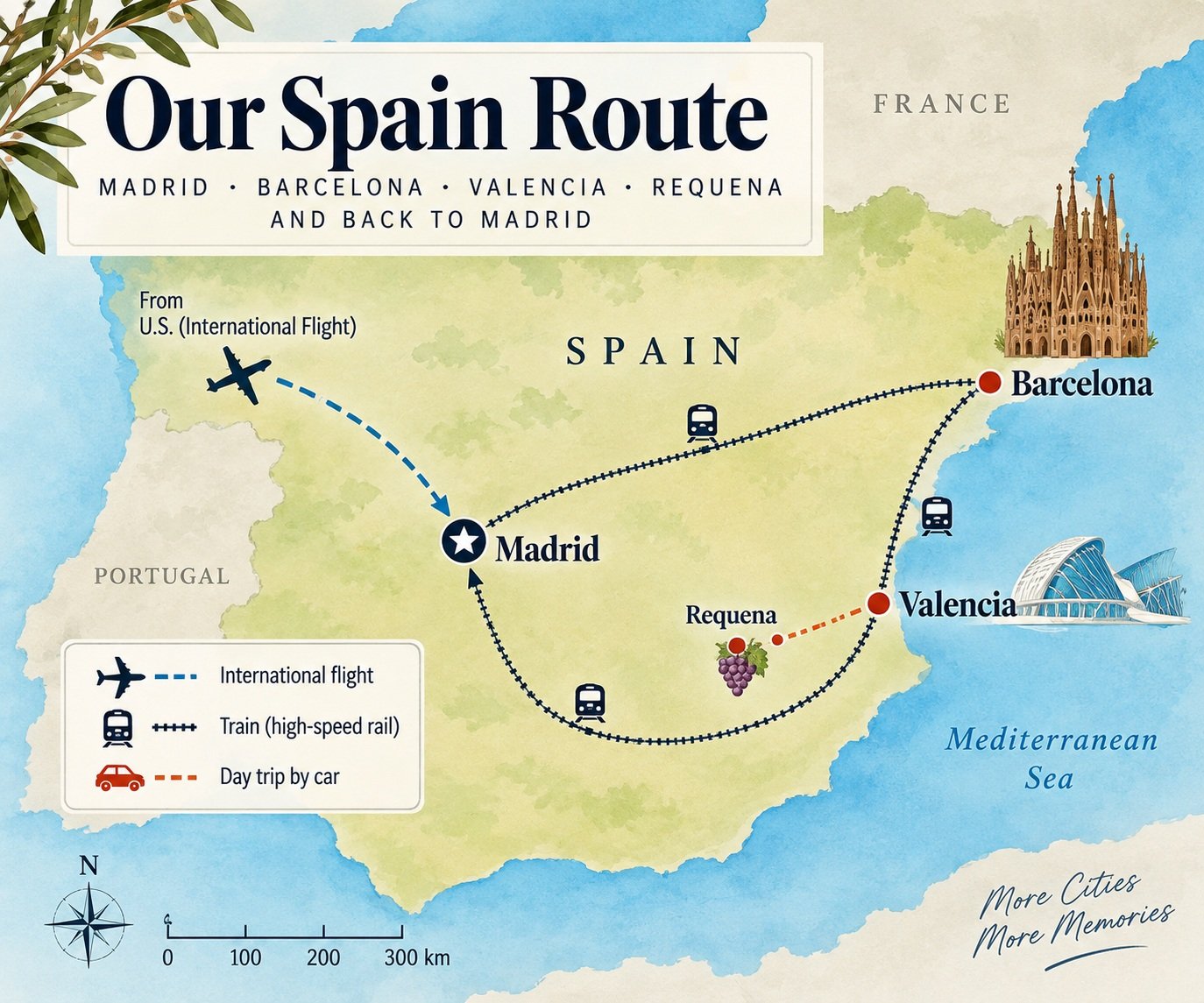
We traveled from January 22–29, 2024, flying overnight to Madrid, immediately continuing by train to Barcelona, then working our way through Valencia and back to Madrid before flying home.
It was fast-paced. We changed hotels every two nights. We took early trains. We walked a lot. And we did not build much downtime into the itinerary.
But for us, it worked.
We had enough time to feel like each stop gave us something different: Barcelona’s architecture and Sagrada Família, Valencia’s slower wandering and a completely spontaneous wine-country day, and Madrid’s Royal Palace, e-bike tour and our first Atlético Madrid match.
I wouldn’t call this the perfect Spain itinerary, because I don’t think there is one. This was our first trip to Spain, and our travel style tends to be faster than some people’s.
What I can tell you is exactly how we used our time, where the pace worked, where I would plan differently now, and why the smartest PTO decision might actually have been the one I didn’t make.
Affiliate disclosure: This post may contain affiliate links. If you book or purchase through them, I may earn a commission at no additional cost to you. I only share accommodations, experiences and services that I believe are useful for planning this trip.
Just want the booking details? See our quick guide to the hotels, trains and tours we booked for this Spain trip
Jump to a section
- How we used 6 PTO days
- Barcelona — January 23–24
- Valencia + Requena — January 25–26
- Madrid — January 27–28
- Flying home + the PTO mistake
- What I’d change now
- Who this itinerary works best for
Our 8-day Spain trip at a glance
At the time, I was working as a pharmacist, and I had PTO that needed to be used before the end of January or I would lose it. Getting a scheduled weekend off was also difficult.
In fact, I worked both Saturday and Sunday immediately before we flew to Spain on Monday.
Our late-afternoon departure at least gave me part of Monday to rest, finish packing and get ready to leave.
Here’s how the calendar worked for me:
| Date | What I Did | My PTO |
|---|---|---|
| Sat. Jan. 20th | Worked | — |
| Sun. Jan. 21st | Worked | — |
| Mon. Jan. 22nd | Fly Charlotte → Madrid overnight | Day 1 |
| Tues. Jan. 23rd | Madrid arrival → train to Barcelona | Day 2 |
| Wed. Jan 24th | Barcelona | Day 3 |
| Thurs. Jan. 25th | Barcelona → Valencia | Day 4 |
| Fri. Jan 26th | Requena wine-country day | Day 5 |
| Sat. Jan 27th | Valencia → Madrid | Weekend |
| Sun. Jan 28th | Madrid | Weekend |
| Mon. Jan 29th | Fly home | Day 6 |
One other thing that helped make this trip work: We booked all three hotels with points. I don’t consider points stays truly “free” because those points have value, but using them kept a major cash expense off this particular trip and gave us more flexibility to spend on experiences we cared about—like our guided Sagrada Família tour, private Requena wine day and Atlético Madrid match.
The itinerary worked because we kept moving in one direction
We flew into Madrid, but we did not start sightseeing in Madrid. Our American Airlines flight was scheduled to leave Charlotte at 4:05 p.m. Monday and arrive in Madrid at 5:45 a.m. Tuesday. Then we kept going.
We booked an Iryo train from Madrid Puerta de Atocha at 9:16 a.m., arriving at Barcelona Sants at 12:01 p.m. The tickets were €27.62 per person.
That gave us roughly three and a half hours between our scheduled landing in Madrid and our train departure. In hindsight, this was probably the most vulnerable part of the itinerary. A significant flight delay, a long immigration line or trouble getting from the airport to Atocha could have caused us to miss the train.
But it worked.
Instead of spending part of our first day in Madrid and then backtracking later, our route became:
Madrid arrival → Barcelona → Valencia → Madrid → home
That simple structure mattered. We were already going to be changing hotels every two nights, so I didn’t want to waste additional time moving back and forth across Spain.
It also meant that when we finally reached Madrid near the end of the trip, we could stay there until it was time to fly home.
January 23: we landed in Madrid and still made the Sagrada Família that afternoon
After the train ride from Madrid, we checked into Hotel Bagués, where we had a Deluxe Double room on La Rambla.
Where we stayed in Barcelona: We stayed at Hotel Bagués on La Rambla, which gave us a very central base for our two nights in the city.
By this point, we had been traveling—and mostly awake—for a very long time.
Lunch at Bar Lobo was not glamorous travel-blog food. I remember greasy nachos being exactly what I wanted after an overnight flight.
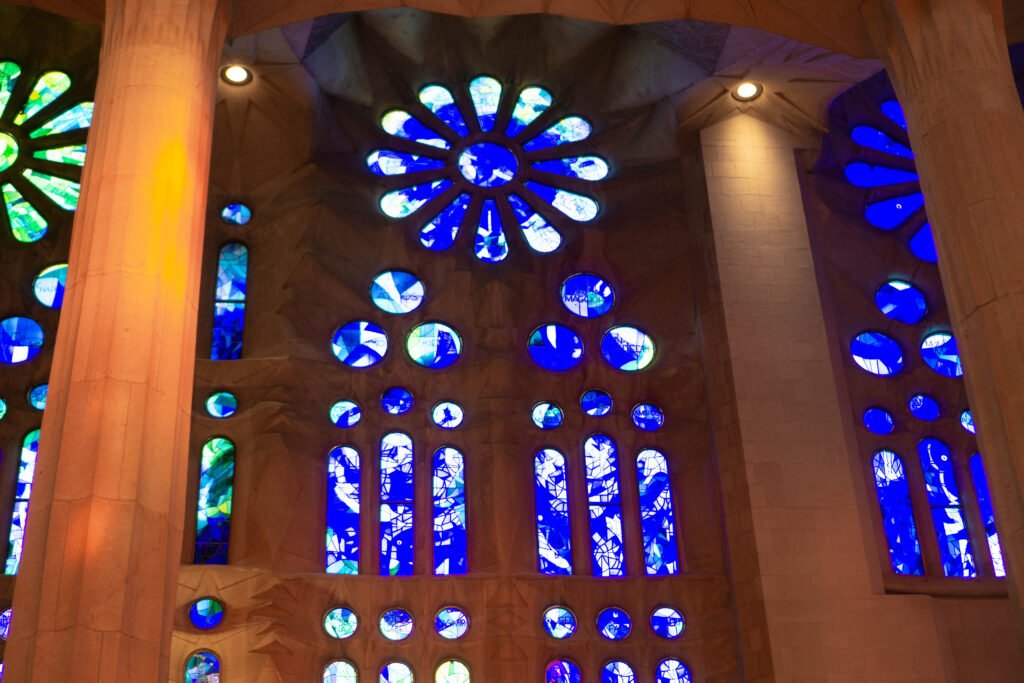
Then we went to the experience I cared most about in Barcelona: the Sagrada Família.
We had booked the Barcelona: Sagrada Familia Fast Track Tour with Tower Option through IBE TOURS. No one else showed up for our small-group tour, so it essentially became a private tour for the two of us.
That luck obviously isn’t something another traveler can count on, but it made an already worthwhile experience even better.
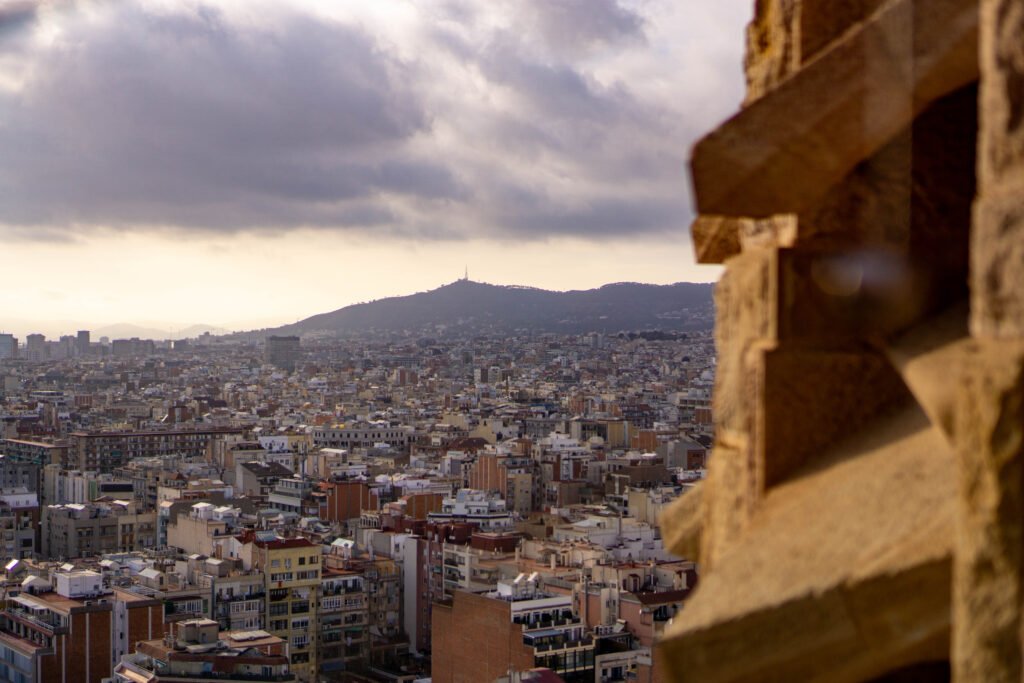
Our guide pointed out architectural, sculptural and cultural details that I know I would have missed walking through on my own. The tower access gave us city views and let us see details much closer than we could from street level.
For me, this is a very good example of intentional spending.
We weren’t simply paying more to enter the building. We were paying for interpretation and access, and both materially changed the experience.
I would absolutely book a guided Sagrada Família visit with tower access again.
What I would be more cautious about repeating is scheduling an important timed attraction on the afternoon of an overnight international arrival. It worked beautifully for us. It was also one delayed flight away from becoming a problem.
Afterward, churros felt well-earned, and we ended the night with tapas and wine at Restaurante Andurina.
It was a lot for an arrival day.
It was also one of the strongest days of the trip.
Planning your own visit? We booked this guided Sagrada Família tour with IBE Tours and chose the tower-access option. I’d book the same combination again.
January 24: the Barcelona day that taught me where I would spend more time
Our second Barcelona day was much less structured.
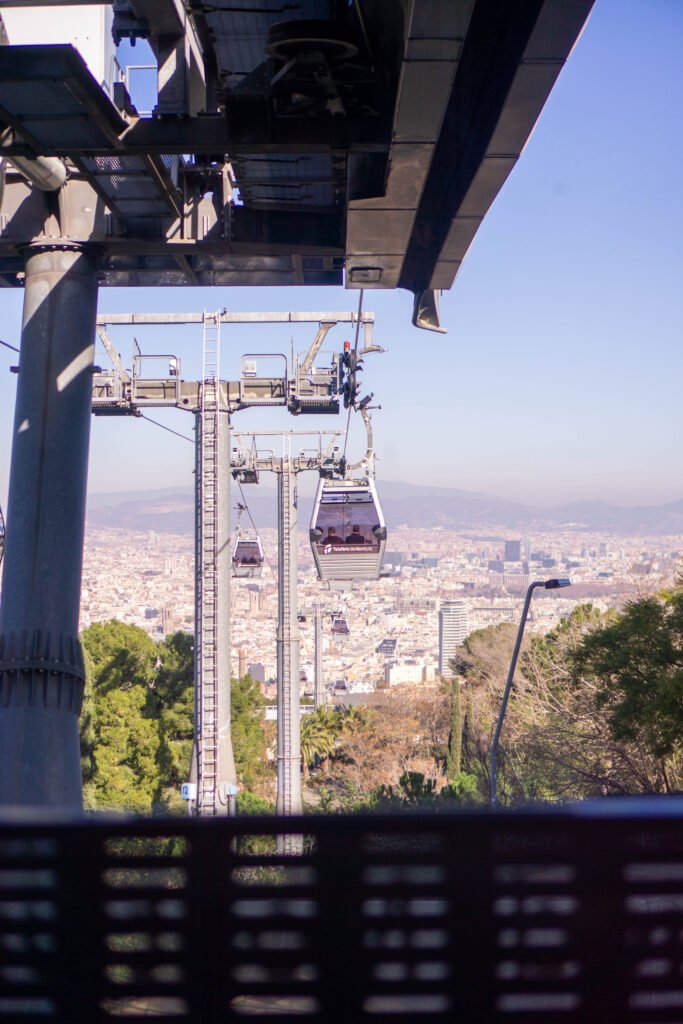
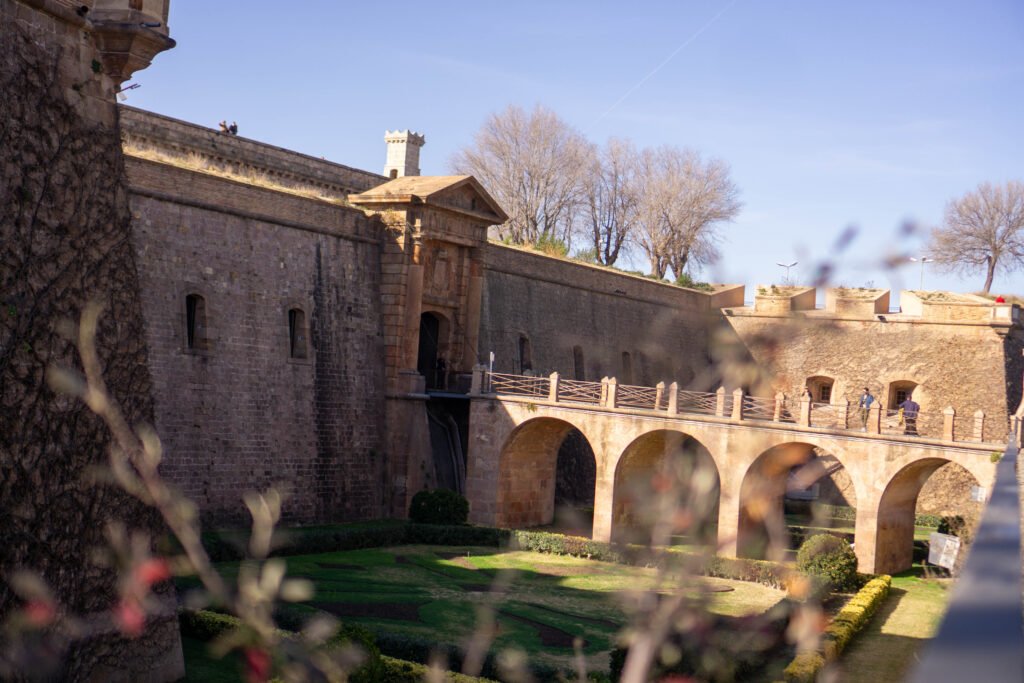
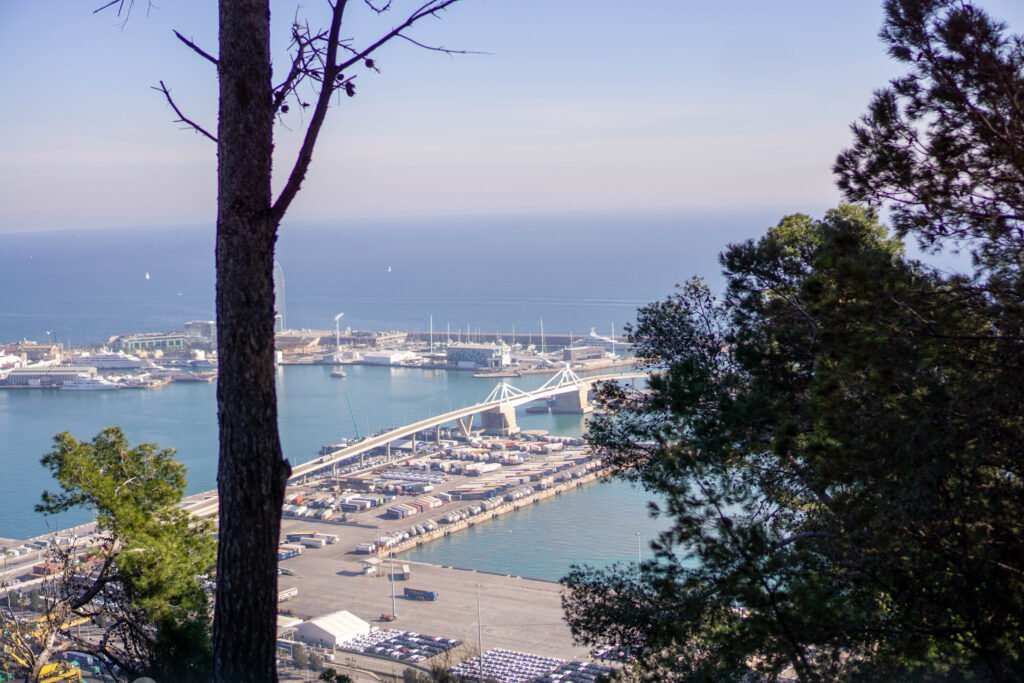
We started at Mercat de la Boqueria, then made our way toward the marina and Montjuïc. We walked through the gardens, rode the cable car, continued to the Olympic Stadium and eventually stopped at Tapas San Miguel for a late lunch.
After lunch, we walked through the Gothic Quarter, stopping to see the exterior of Barcelona Cathedral and continuing to the exterior of the Basílica de Santa Maria del Mar.
At the time, the day didn’t feel like a planning failure. We were enjoying ourselves, seeing a lot and never felt like we had run out of things to do.
My opinion changed more through hindsight than through disappointment.
If I were planning Barcelona now, I would research the geography much more carefully and use local transportation more strategically instead of relying so heavily on walking.
The biggest example was the Olympic Stadium. The walk there used more of our limited time and energy than the stop ultimately felt worth to me.
I’d still make time for Montjuïc. I especially liked walking through the gardens and taking the cable car.
Planning to visit Montjuïc? You can book Montjuïc Cable Car tickets through GetYourGuide. The cable car was one of the Barcelona experiences I’d make time for again, especially for the views over the city and waterfront.
But with the same amount of time today, I would group that part of Barcelona more deliberately and be willing to cut the Olympic Stadium or marina area before cutting something like Sagrada Família or the parts of Montjuïc we enjoyed most.
Barcelona is also the one city from this trip where hindsight makes me think, I could easily use another day here.
That doesn’t mean our original allocation felt wrong while we were living it. It means I now know what else I would want to see.
January 25: an early train let us move cities and still have a Valencia day
We left Barcelona Sants at 7:15 a.m. on a Renfe Euromed train and arrived at Valencia Joaquín Sorolla at 10:10 a.m.
Our Comfort tickets were €43.35 per person.
The early departure wasn’t particularly relaxing, but it did exactly what we needed it to do: we changed cities without giving up the entire day.
Our friends joined us for the Valencia and Madrid portions of the trip, and we checked into the AC Hotel Valencia before heading out.
Where we stayed in Valencia: We stayed at AC Hotel Valencia by Marriott, which gave us a convenient base near the City of Arts and Sciences for our two nights in Valencia.
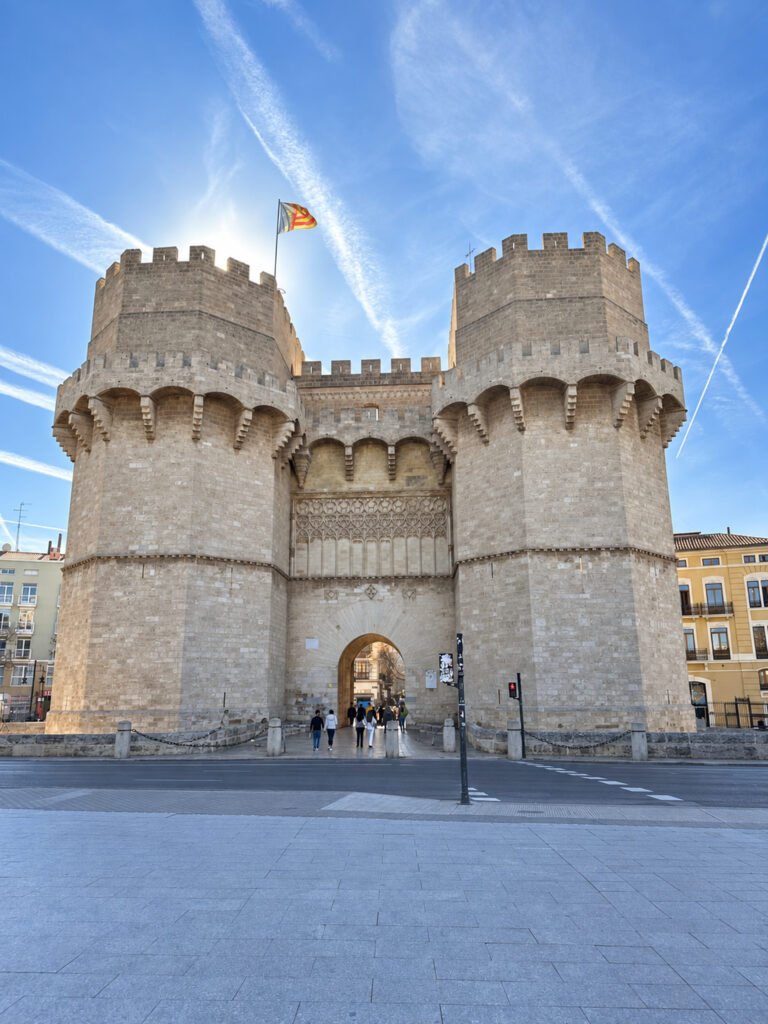
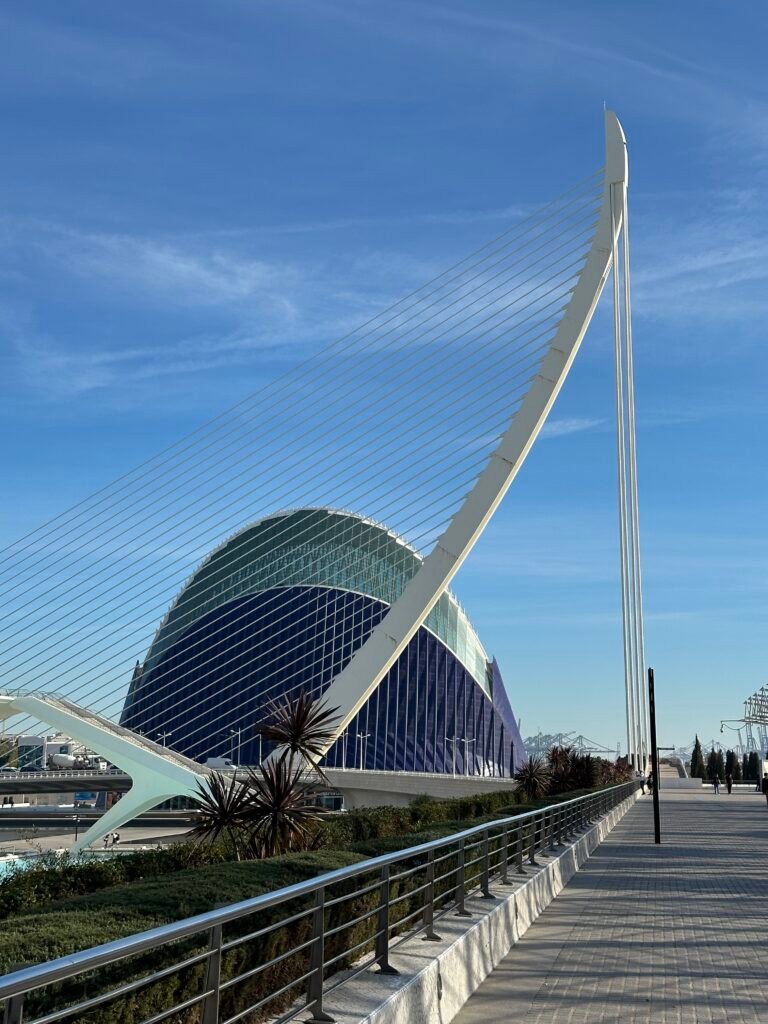
We climbed Torres de Serranos, walked around the City of Arts and Sciences area, spent time along the beach and boardwalk and wandered through the city.
Valencia also gave us one of those travel moments that no itinerary could have produced.
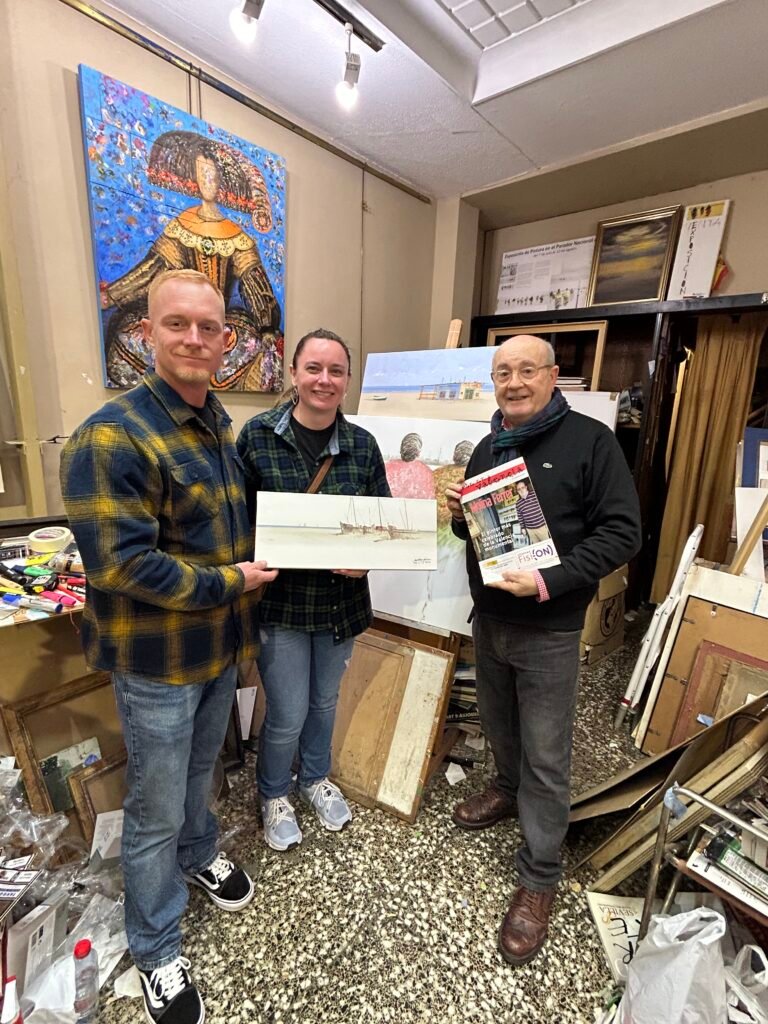
We noticed paintings through an open studio, went inside and met artist Molina Ferrer. We ended up talking with him for quite a while and bought one of his paintings, which he signed for us.
Those unexpected moments are part of why I don’t want an efficient itinerary to become an over-scheduled itinerary.
Planning helped us fit three cities into a week.
Leaving enough room to walk through an open door gave us one of the memories we still associate with Valencia.
January 26: Requena wasn’t even the original plan
Requena is probably the best example from this trip of a last-minute decision becoming one of the things we still talk about years later.
We did not arrive in Valencia with a carefully planned Requena wine itinerary.
We decided to go the night before.
We had already walked through a good portion of Valencia, and January wasn’t exactly giving us beach weather. One of our friends found a private driver through WhatsApp, and suddenly we had a completely different plan for the next day.
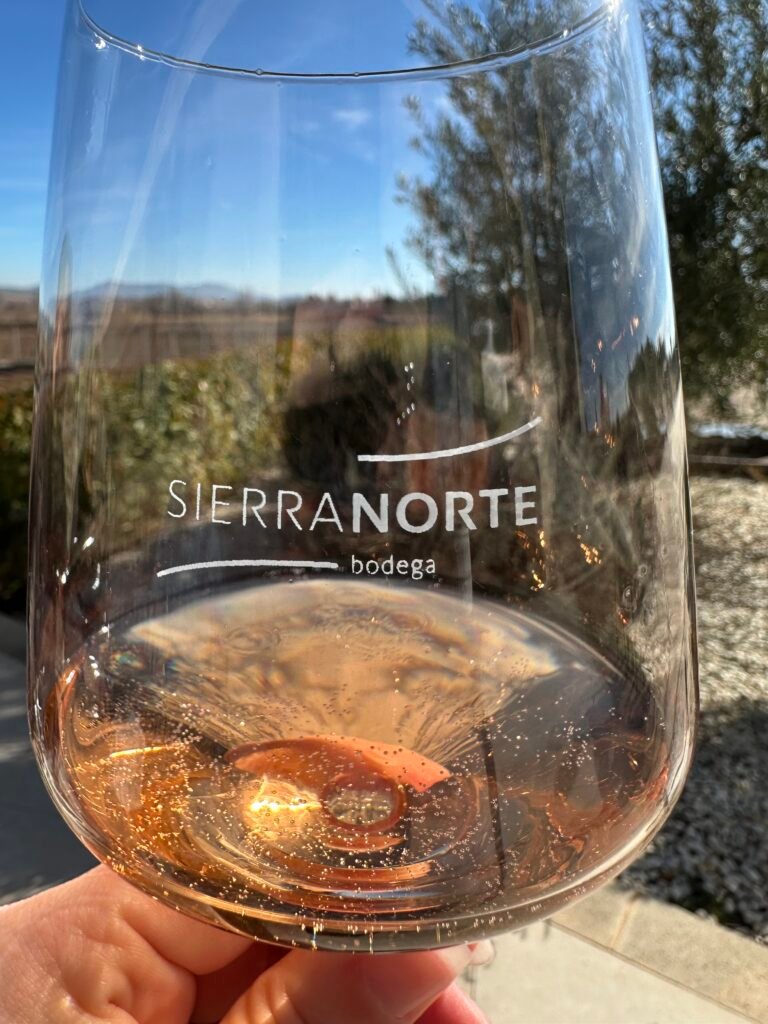
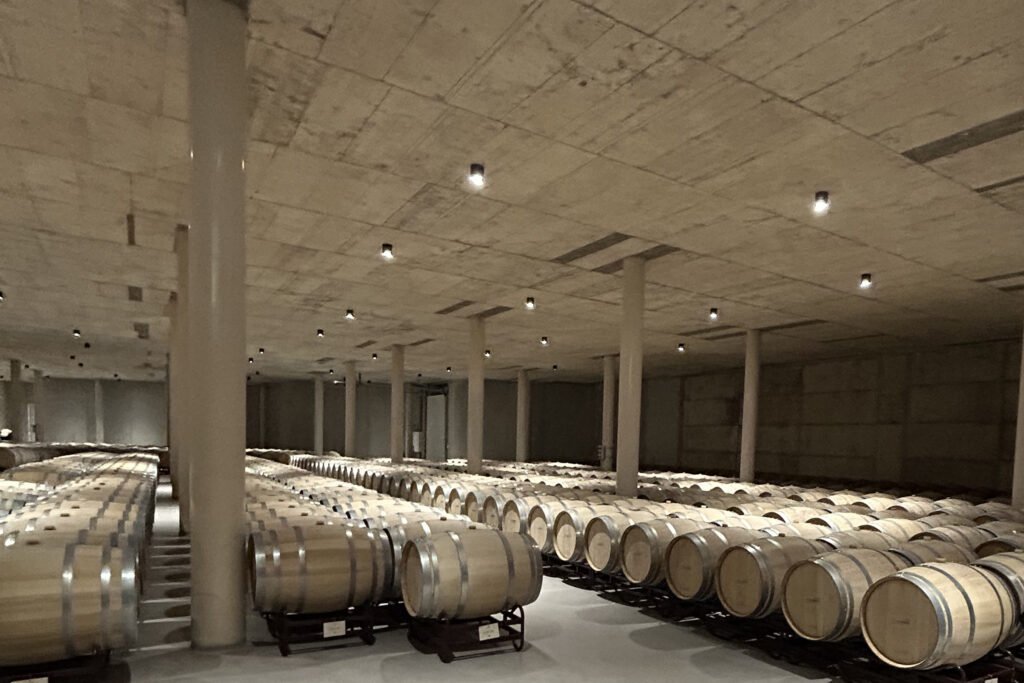
We visited Sierra Norte, Pagos de Tharsys and Murviedro, with lunch at Mesón Fortaleza between winery stops.
Each winery felt different.
Sierra Norte had outdoor seating, beautiful views and wine we really enjoyed. Pagos de Tharsys felt smaller and more boutique. Murviedro was darker and more secluded, with distinctive clay bottles that I still remember.
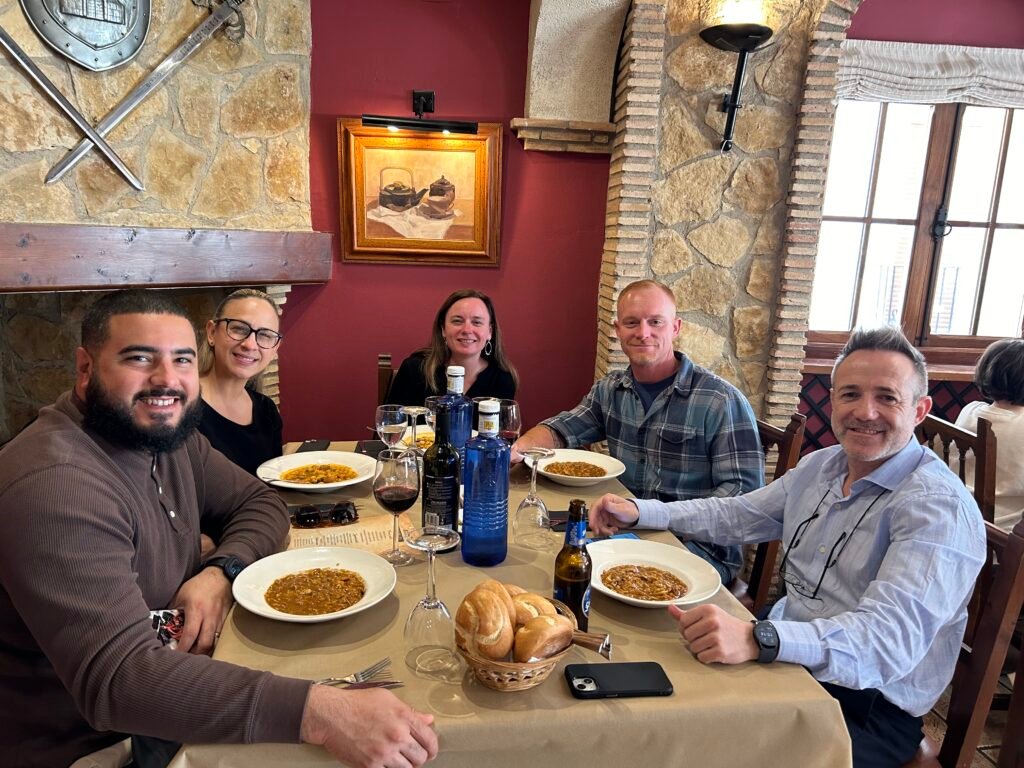
Our driver recommended Mesón Fortaleza, a local family-owned restaurant. The men ordered rabbit paella, and the lunch added to the feeling that we had temporarily stepped outside the faster rhythm of the rest of the trip.
That slower pace was a large part of why the day worked.
Why the private driver was a splurge I would repeat
Hiring a driver cost more than figuring out some version of the day ourselves.
It also meant none of us had to rent and return a car, drive in a country we didn’t know, worry about GPS or cell service, or appoint someone as the designated driver on a winery day.
Splitting the cost between two couples made the decision easier.
More importantly, the money bought us convenience, safety and a relaxed day.
We weren’t watching the clock because someone needed to drive. We weren’t navigating between wineries. We had hotel pickup and drop-off and could simply enjoy the day with our friends.
I would spend the money again.
In fact, we enjoyed the structure of that day enough that it influenced how I’ve thought about planning similar wine-country days on later trips.
Looking for a similar private Requena wine day? Viator currently offers a private wine tour from Valencia with tastings and lunch that includes private transportation, hotel pickup and drop-off, winery visits and lunch. Our own Requena day was arranged separately with a private driver and different winery stops, but this is much closer to the flexible, private setup we enjoyed.
January 27: an early train gave us almost a full day in Madrid
We left Valencia Joaquín Sorolla at 7:00 a.m. on AVE 05871 and arrived at Madrid Atocha at 8:58 a.m.
We had booked the tickets through Rail Ninja for $164 for the two of us.
Another early train meant another early alarm, but by arriving before 9:00 a.m., we essentially traded a leisurely morning in Valencia for an additional sightseeing day in Madrid.
We checked into Hyatt Centric Gran Vía Madrid and headed back out.
Where we stayed in Madrid: We stayed at Hyatt Centric Gran Vía Madrid, right on Gran Vía, which gave us a very central base for our two nights in Madrid.
Our first stop was Mercado de San Miguel, where we wandered through the food stalls and had lunch. We also spent time around Plaza Mayor and the Royal Palace area before our afternoon tour.
The e-bike tour was one of my favorite ways to see Madrid
We booked the Guided Essential Madrid E-Bike Tour, departing from Calle de Santiago 18.
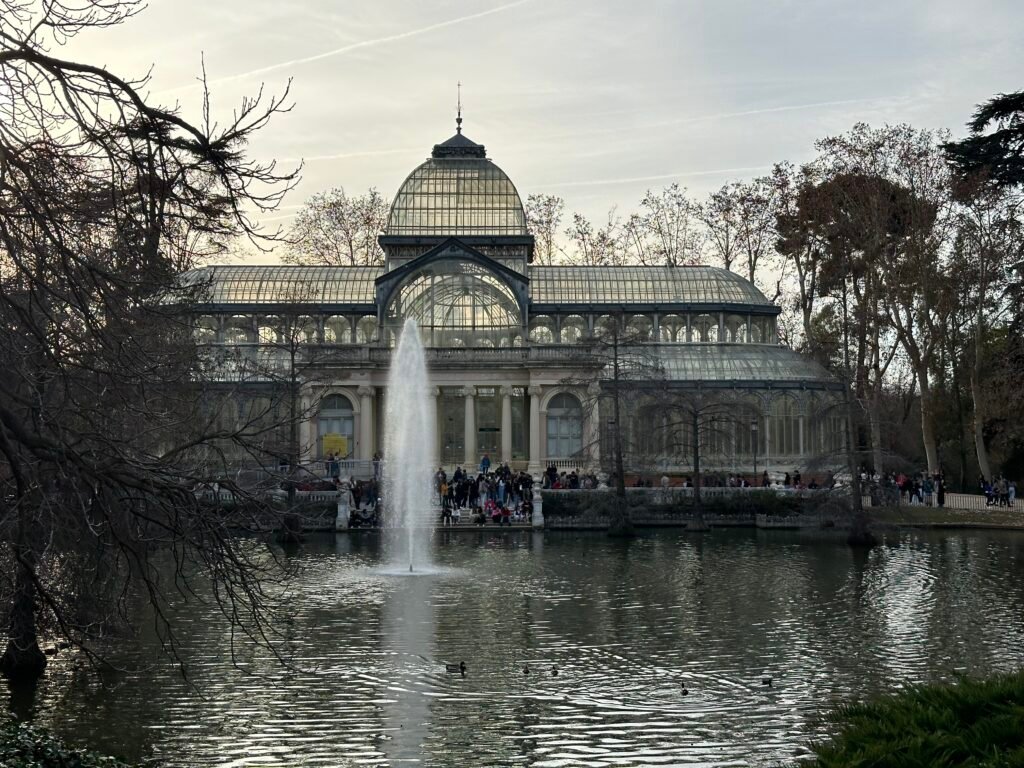
The route covered a surprising amount of the city, including areas around the Royal Palace and Almudena Cathedral, Sabatini Gardens, Plaza de España, Plaza Mayor, Barrio de las Letras, Retiro Park, the Crystal Palace, Puerta de Alcalá, Cibeles and Puerta del Sol.
For a short Madrid stay, the e-bikes let us cover far more ground than we reasonably could have on foot.
My main criticism is that it was sometimes difficult to hear the guide while riding, but I’d still do that type of tour again.
It gave us both an overview of Madrid and a better sense of which areas we wanted to spend more time exploring afterward.
That evening, we had drinks and dinner at Chambao to celebrate our friends’ anniversary. It was a fun way to end a day that had started before sunrise in Valencia.
It was another early start, but this was exactly why those early trains worked so well for our itinerary.
Looking for a similar Madrid e-bike experience? Wonder Tours currently offers a Literary Quarter and Retiro Park e-bike tour that includes Retiro Park, the Crystal Palace and several of the central Madrid sights we rode through.
January 28: Royal Palace by day, Atlético Madrid by night
Our final full day in Spain had a completely different rhythm from the day before.
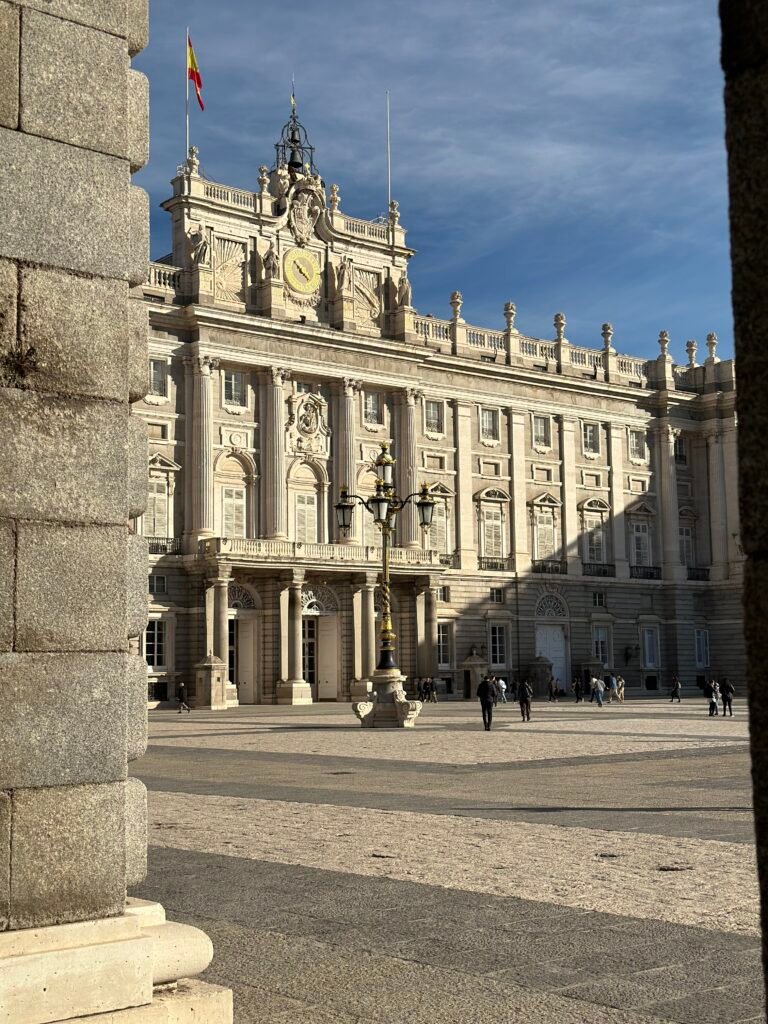
We started with the Royal Palace of Madrid.
This was one of the major sights I knew I wanted to see before the trip, and the interior was worth making time for. After several days of covering cities quickly, this was the kind of attraction where slowing down and actually going inside mattered.
Planning to visit the Royal Palace? You can book a fast-access Royal Palace of Madrid admission ticket through GetYourGuide. Going inside was worth making time for, especially after several days of mostly moving through cities quickly.
We also returned to Mercado de San Miguel. Yes, we went twice.
For a trip this short, I normally don’t spend much time deliberately repeating stops, but the market was easy to work into our Madrid plans and gave us another chance to wander through the stalls. We picked up some Ibérico ham before heading back toward the hotel.
Lunch was much less glamorous: McDonald’s on our hotel balcony overlooking Gran Vía.
And I actually loved it.
After several days of restaurants, trains, tours and sightseeing, sitting outside with an easy lunch and a view over Madrid was one of those simple travel moments that ended up sticking with me.
The biggest event of the day, though, was that evening.
Going to an Atlético Madrid match was absolutely worth building into the trip
Before heading to the stadium, we had dinner at Mesón Riaño.
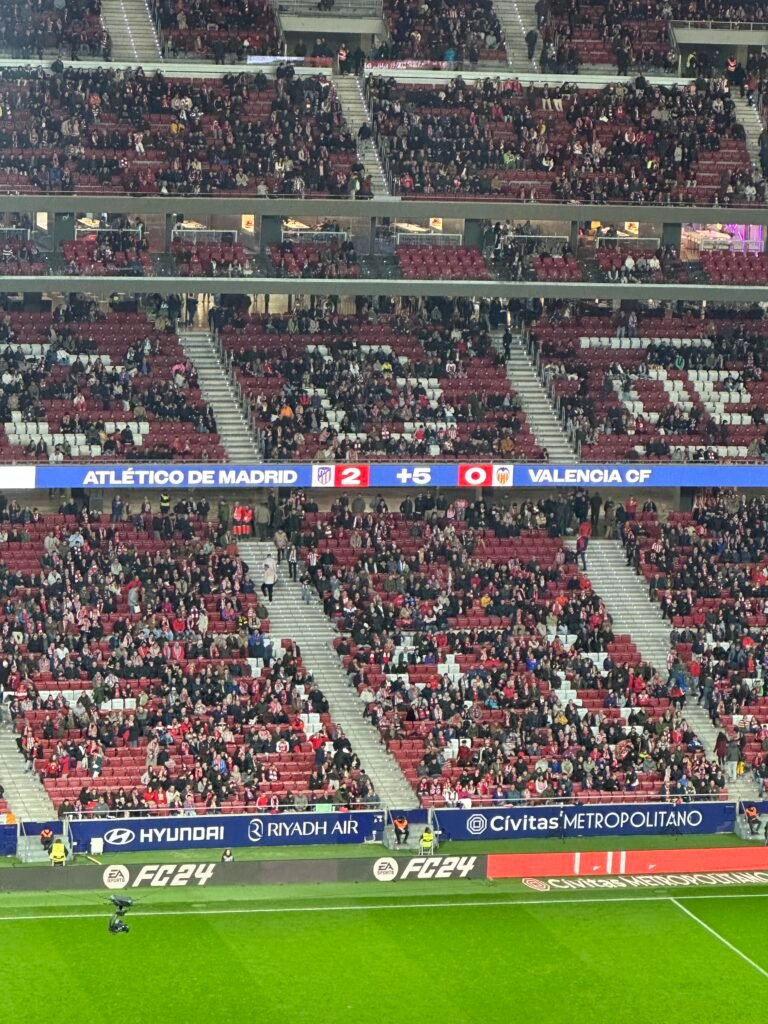
Then we made our way to Civitas Metropolitano for our first Atlético Madrid match.
Neither of us needed to be lifelong Atlético supporters for it to be fun.
Being inside the stadium, surrounded by local fans and experiencing a major European football match in person felt completely different from simply visiting another attraction.
It also gave the trip something I increasingly look for when planning: an experience tied to a specific place and moment that I couldn’t just recreate on a future visit whenever I wanted.
If a football match lines up with your travel dates and you have any interest at all in the sport, I think it is worth checking the schedule before filling every evening with tours and dinner reservations.
It was a very full final day, but combining a major Madrid landmark with a live sporting event gave us two completely different experiences without needing another day in the city.
Looking back at the entire trip, the match belongs in the same category as Sagrada Família and our Requena wine day: experiences I would actively protect space for in the itinerary rather than trying to squeeze in around everything else.
Want to catch an Atlético Madrid match? Check the official Atlético de Madrid ticket page before your trip to see whether a home match lines up with your dates. Going to a match ended up being one of the experiences I’d most want to protect time for again.
January 29: our eighth and final day – flying home
By Monday morning, it was time to head home.
We had fit Barcelona, Valencia, a spontaneous wine-country day in Requena and Madrid into an eight-day trip while using six PTO days.
It was fast.
We changed hotels every two nights, caught early trains and walked a lot. This is not the itinerary I would recommend to someone who wants leisurely mornings, long afternoons at cafés and plenty of unplanned downtime.
But that isn’t how we usually travel.
For us, the pace worked because each stop felt different enough to justify moving on: Barcelona gave us the architecture and Sagrada Família, Valencia gave us a more relaxed city day and an unexpected connection with a local artist, Requena gave us one of the most memorable experiences of the trip, and Madrid gave us the Royal Palace, an e-bike tour and our first Atlético Madrid match.
We left tired, but not feeling like the trip had been a mistake.
We felt like we had used the week well.
The PTO mistake I would not repeat
Six PTO days was my cost for this trip. Mitch ultimately used seven.
His seventh day wasn’t another day in Spain. It was the day after we got home.
Mitch took Tuesday, January 30 off. I went straight back to work.
That was a mistake.
Going straight back to pharmacy work after an overnight return from Europe and a major time change was brutal. I had successfully squeezed as much travel as possible out of my available PTO, but I hadn’t left myself any margin to recover from it.
Mitch’s extra day at home made a noticeable difference.
If I were building the same trip now, I would use at least one additional PTO day for recovery — ideally two after a trip with a significant time difference.
That doesn’t mean adding another attraction or another night in Spain.
It means protecting some time at home before real life starts again.
Maximizing PTO shouldn’t mean pretending recovery has no value.
Would I plan this Spain itinerary the same way again?
Mostly.
The biggest thing I would change is Barcelona.
Knowing what I know now, I would either give Barcelona another day or be more deliberate about how I grouped our sightseeing. I would rely less on walking between far-apart sights and be quicker to cut the Olympic Stadium or marina area if time became tight.
I would also be more cautious about putting an important timed attraction like Sagrada Família on the afternoon of an international arrival. Ours worked out perfectly, but it left very little margin if the flight had been significantly delayed.
What I would keep is the overall direction of travel.
Flying into Madrid and immediately continuing to Barcelona meant we weren’t sightseeing in Madrid, leaving, and then returning later. Once we reached Madrid near the end of the trip, we stayed there until it was time to fly home.
I would also keep the early trains.
They weren’t glamorous, but they let us move between cities without sacrificing most of a sightseeing day.
And I would absolutely keep Requena.
That was the part of the trip we barely planned, and it became one of the experiences I would most strongly recommend recreating if you enjoy wine and have a day available from Valencia.
Who this itinerary works best for
I would recommend this style of trip to travelers who would rather see several places well enough to understand what makes each one different than spend an entire week settling into one city.
It works especially well if you:
- have limited PTO and want to make the most of an international flight
- don’t mind early mornings
- are comfortable changing hotels every couple of nights
- enjoy walking and active sightseeing days
- are willing to spend strategically on experiences that save time or add something meaningful
- would rather finish a trip thinking, that was a lot, than wondering whether you could have fit in one more place
If you prefer slow travel, this itinerary would probably feel rushed.
For us, it felt full — but manageable.
The experiences I would protect space for again
If I were rebuilding this trip around the experiences that mattered most to us, these would stay:
Sagrada Família with a guided tour and tower access.
This was the Barcelona experience I would prioritize first.
Montjuïc and the cable car.
I would plan the surrounding sightseeing more efficiently, but I would still include this part of Barcelona.
A Requena wine-country day with a private driver.
The convenience was worth the splurge, particularly when splitting the cost between two couples.
A live football match, if the schedule works.
Our Atlético Madrid match gave us an experience that felt completely different from sightseeing.
Madrid by e-bike.
For a short visit, it was an efficient way to see a large portion of the city and understand its layout.
Was six PTO days enough?
For the trip we wanted to take, yes.
I wouldn’t pretend this itinerary gave us a comprehensive experience of Barcelona, Valencia or Madrid. It didn’t.
What it gave us was eight days with very little wasted transit time, three distinctly different Spanish cities, an unplanned wine-country day and several experiences we still talk about.
That was the goal.
We tend to travel knowing there are far more places we want to see than vacation days available to see them.
So instead of waiting until we have enough time for the “perfect” Spain trip, I would rather build a smart route around the time we actually have.
For us, six PTO days was enough to make this one count.